
Faithful and Respectful Ways to Celebrate the Islamic New Year
As the Islamic New Year quietly arrives, it doesn’t announce itself with fireworks or countdowns, but with meaning. It is a gentle pause in time, a moment to reflect on where we’ve been and where our hearts are headed. While the world rushes forward, this sacred beginning invites us to slow down and reconnect with faith, purpose, and gratitude.
For many, the question isn’t how to celebrate loudly, but how to celebrate sincerely. Is it through a quiet dua after Fajr?
A heartfelt reminder shared with family?
Or simply taking a few minutes to reflect on the lessons of the Hijrah and what they mean in our own lives?
In the sections ahead, we will explore simple and respectful ways to celebrate the Islamic New Year, ways that honor its spiritual depth while fitting beautifully into everyday life.
Welcoming the Islamic New Year with simplicity and respect
Celebrating the Islamic New Year doesn’t require grand plans or elaborate traditions. At its heart, this occasion is about reflection, renewal, and quiet gratitude. Many people choose to begin the new Hijri year by reflecting on the significance of the Hijrah and considering how those values can guide their daily lives today.
Simple acts often carry the deepest meaning. Setting aside a few moments for personal reflection, making a sincere dua for the year ahead, or spending peaceful time with family can be a beautiful way to mark the day. By keeping the focus on faith and intention, the Islamic New Year becomes less about celebrating an event and more about renewing the soul.
What really is the Islamic New Year?
The Islamic New Year, also called the Hijri New Year, doesn’t come with confetti or countdowns. Instead, its arrival is marked by the sighting of the new crescent moon, signaling the beginning of Muharram, the first month of the lunar Islamic calendar.
This calendar, which is about 10-11 days shorter than the Gregorian calendar, follows the moon’s cycles. Meaning each year’s dates shift earlier by roughly that much. What makes this time meaningful isn’t fireworks but history, reflection, and intention.
Muharram carries deep roots in Islamic history. It is the month that reminds us of the Prophet Muhammad’s migration (the Hijrah) from Makkah to Madinah, a turning point that shaped the Muslim community forever.
Spiritual practices
A quiet celebration of the soul
For many Muslims, the Islamic New Year isn’t about grand festivities. It is about spiritual renewal. Here is how faith and reflection take center stage:
Dua and prayer
Many begin and celebrate the Islamic New Year with sincere prayer, asking for forgiveness, strength, guidance, and betterment in the days to come. It is a quiet but powerful way to set one’s intention for the year.
Quran recitation
This period is a beautiful chance to reconnect with the Qur’an, whether that is through a few extra verses daily or deeper contemplation of its meanings.
Setting personal goals
Instead of making resolutions tied to diets or trends, many use this time to reflect on spiritual goals, improving salah, memorizing verses, or increasing acts of kindness.
Charity and good deeds
Muharram encourages greater generosity and compassion. Helping someone in need, donating to charity, or even offering a smile to a stranger becomes a meaningful act of worship. You can also team up with a book printing service to print booklets of duas and distribute them as a good deed.
The significance of Ashura
One of the most talked-about days in Muharram is Ashura. The 10th day of the month. Its observance varies across the Muslim world, but it is always a day of deep reflection.
| Practice | Meaning |
|---|---|
| Fasting (Sunni tradition) | Many Sunni Muslims fast on Ashura, following the Prophet’s example and seeking forgiveness for the year past. |
| Commemoration and Mourning (Shia tradition) | For many Shia communities, Ashura is remembered as the martyrdom of Imam Hussein, a moment of immense sacrifice, courage, and resilience. |
| Community Gatherings | Some places hold talks, remembrance sessions, or discussions about lessons from early Islamic history. |
Whether through fasting, reflection, or community learning, this day anchors the entire month in meaningful remembrance rather than celebration.
What happens around the world?
Though the underlying themes are universal, local expressions of the Islamic New Year vary:
Mosque Gatherings: Many communities organize mosque sermons, group prayers, or talks about the Hijrah and its lessons.
Quiet Family Moments: In countries where celebration is more subdued, families often share meals, discuss Islamic history, or plan faith-based goals.
Cultural Reflections: In places like Indonesia, gentle community events like torchlight walks or neighborhood reflections serve to bring spirituality into public life without distracting from the solemn core of the occasion.
Greetings that carry meaning
Unlike secular New Year’s greetings, Islamic New Year greetings often focus on blessings and spiritual wishes, such as:
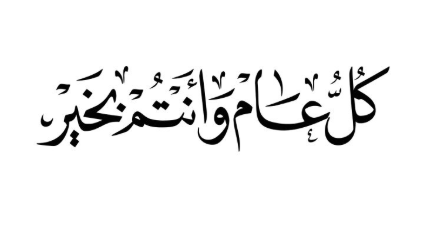
“Kul ‘aam wa antum bikhair”
May you be blessed every year.
May this year bring you closer to Allah and fill your life with peace, wisdom, and purpose.
These messages beautifully encapsulate the tone of the occasion. Reflective, hopeful, and deeply rooted in faith. You can find more greetings in books published by Gulf publishers.
Frequently asked questions
- Do Muslims celebrate the Islamic New Year like other New Years?
Not in the traditional party sense. The Islamic New Year is observed quietly, with reflection, prayer, and remembrance rather than fireworks or festivities. It’s more about inner renewal than outward celebration.
- Is the Islamic New Year a religious obligation to observe?
Observing the Islamic New Year is not obligatory, but reflecting on its meaning, especially the lessons of the Hijrah, is highly encouraged. Many Muslims use this time for a spiritual reset and intention-setting.
- Can you wish someone on the Islamic New Year?
Yes, respectful and meaningful greetings are welcome. Messages that focus on peace, blessings, and closeness to Allah are most appropriate.
Wrapping it up
The Islamic New Year reminds us that not every new beginning needs noise to be meaningful. Sometimes, the most powerful changes start quietly, in a heartfelt prayer, a moment of reflection, or a renewed intention to live with purpose and faith.
As the Hijri calendar turns another page, it offers a beautiful opportunity to pause and realign our hearts. Whether through remembrance, kindness, or self-employment, celebrate the Islamic New Year with simplicity and respect to allow its true spirit to shine. Calm, conscious, and deeply rooted in faith.

I am a seasoned content writer at Gulf Publisher, specializing in insightful blogs about publishing trends, content strategy, and digital marketing. With a passion for elevating voices in the industry, I deliver actionable tips and expert perspectives for writers, authors, and publishing professionals.